青山中医Traditional Chinese Medicine · Lausanne
A careful readingbefore a single needle
Acupuncture, auriculotherapy and Chinese phytotherapy for persistent pain, sleep, digestion and stress. ASCA and RME certified therapist, three minutes from the station.
Less unknown
What actually happens in a session
The practice is at Avenue de la Gare 52, a few minutes' walk from Lausanne station — close enough that an appointment fits inside a lunch break. Nothing begins with needles: the first session is a consultation above all.
- 1
The conversation
We go through what brought you in, your history, your sleep, your digestion and your energy. It is the longest part of a first appointment, and it determines everything that follows.
- 2
Pulse and tongue
The two observations specific to Chinese medicine: reading the pulse at both wrists and examining the tongue. They are explained as they happen, not performed in silence.
- 3
The treatment
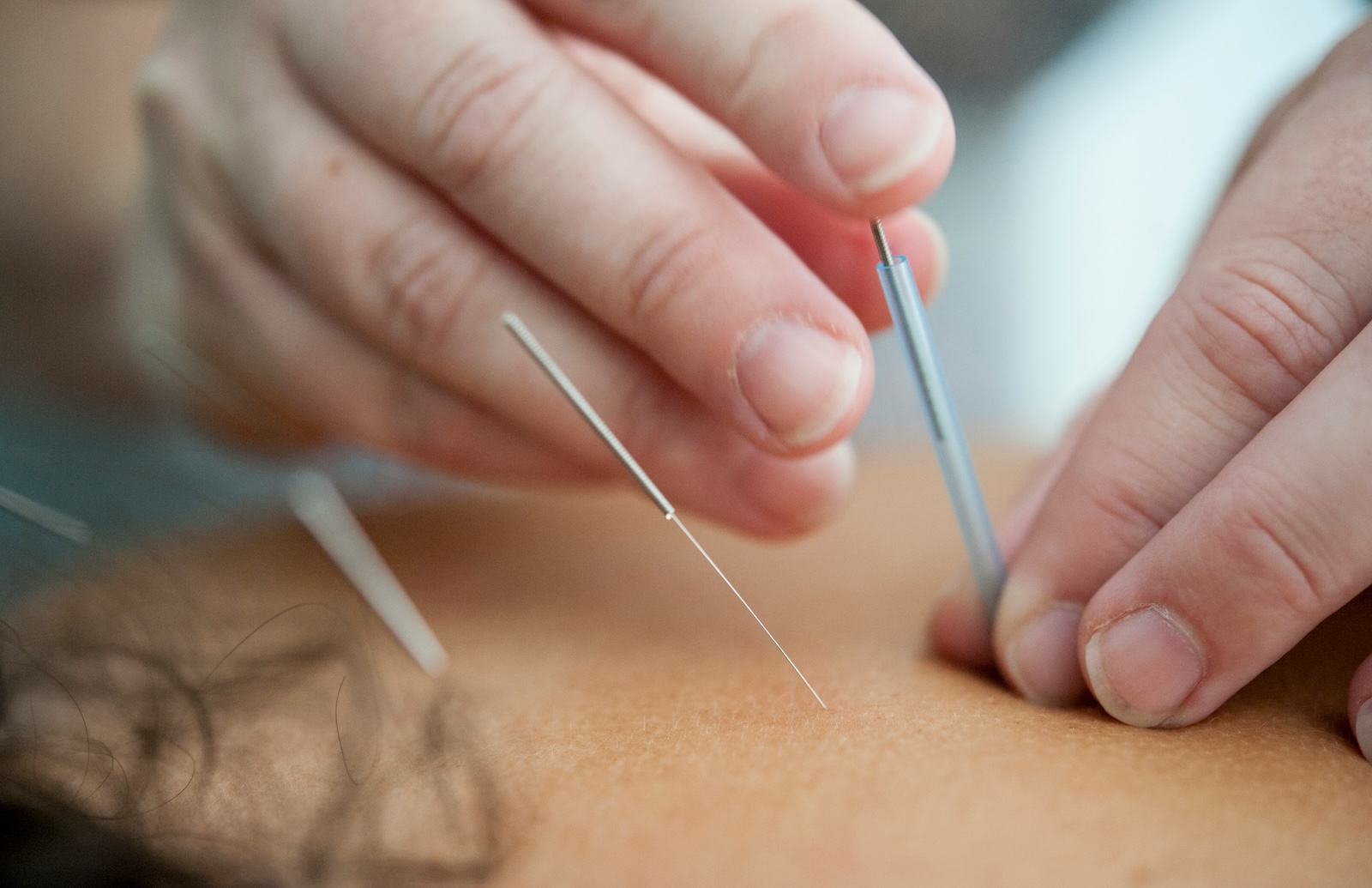
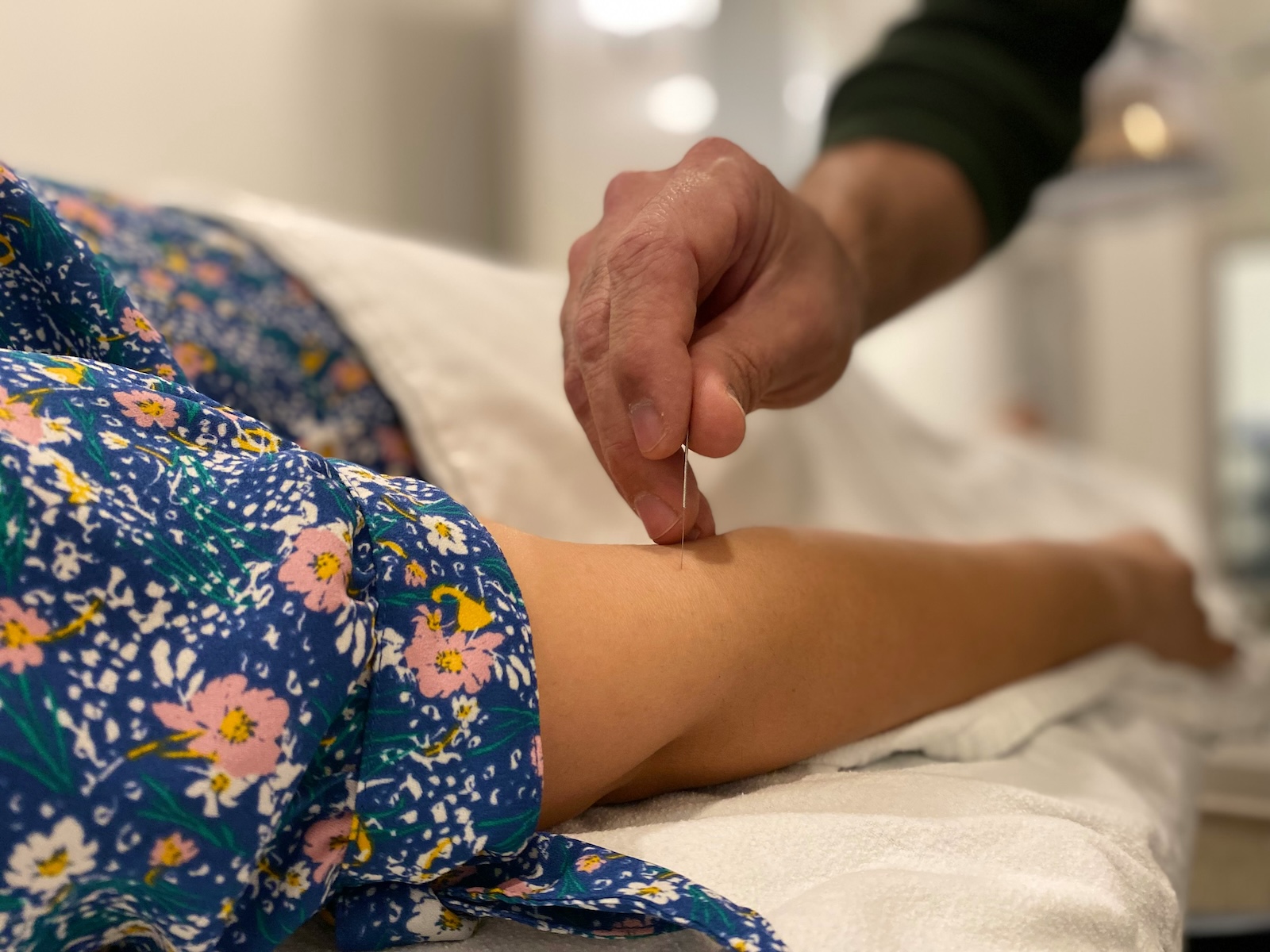
Very fine sterile single-use needles, placed at points chosen for you. The usual sensation is a dull warmth, not a prick. You then rest quietly for around twenty minutes.
- 4
The follow-up
At the end, a clear plan: which approach, how many sessions, over roughly what period. If Chinese medicine is not the right answer for your situation, you will be told so plainly.
Treatments
Four approaches, all built from the same initial assessment. The technique is not chosen before the picture is understood.
What the practice offers
Acupuncture
Very fine sterile single-use needles are placed at precise points to influence the circulation of qi and blood, and to settle systems that have become over- or under-active. The point prescription is built around you rather than following a standard protocol for a named condition. It is commonly sought for persistent pain, tension headaches and migraines, sleep difficulty, digestive complaints and stress. Most people are surprised by how little they feel — usually a dull warmth at the point rather than a sharp prick.
- Pain
- Sleep
- Stress
Auriculotherapy
Auriculotherapy treats the ear as a detailed map of the whole body, using very small needles or seeds placed on specific points of the outer ear. Because the seeds can be left in place for several days and pressed by you between appointments, it extends the effect of a treatment well past the session itself. It is particularly suited to people working on addiction and cessation, appetite regulation, anxiety, or ongoing pain that needs support between visits. It is also a practical option for anyone who wants a lighter treatment than full-body acupuncture but the same continuity of care.
- Cessation
- Anxiety
- Between visits
Chinese phytotherapy
Chinese phytotherapy is the prescription of plant-based formulas drawn from the classical pharmacopoeia, composed and adjusted for the person in front of the practitioner rather than dispensed off a shelf. A formula is typically revised across follow-up appointments as the picture changes, which is why it works best alongside a course of treatment rather than as a one-off purchase. It suits long-running internal patterns — digestion, fatigue, cycles and hormonal complaints, immunity that never quite recovers between winters. Because plant formulas can interact with prescription medication, your current treatments are reviewed before anything is proposed.
- Digestion
- Fatigue
- Cycles
Chinese medicine assessment
Every course of treatment opens with a full assessment, and it is a genuine consultation rather than a form-filling exercise. It covers your history and current complaint, sleep, digestion, energy and cycle, alongside the two observations specific to Chinese medicine: reading the pulse at both wrists and examining the tongue. From that, a pattern is identified and a plan proposed — which modality, how many sessions, and roughly over what period. If Chinese medicine is not the right answer for what you have come with, you will be told so directly.
- First visit
- Pulse reading
- Treatment plan
The practitioner
Mr Qingshan Song
In Chinese medicine the practitioner is part of the treatment. Mr Qingshan Song practises traditional Chinese medicine in Lausanne at the MTC SongVitalité practice, where consultations are held in French, English and Chinese — a real difference when you need to describe a pain or a disrupted night in your own language. He is an ASCA and RME certified therapist and EMR affiliated, which means your sessions may be reimbursed depending on your complementary insurance.
- ✓ASCA and RME certified therapist, EMR affiliated
- ✓Traditional Chinese medicine and acupuncture
- ✓Auriculotherapy and Chinese phytotherapy
- ✓Consultations in French, English and Chinese
- ✓MTC SongVitalité 青山中医 practice, Lausanne
- ✓Accepting new patients
0
Certifications: ASCA and RME
0
Consultation languages
0
Treatment approaches
0 min
Walk from the station
青山 — the green mountain
青山 (Qīngshān) means "green mountain": it is the practitioner's name, and it is also how the practice works. Nothing dramatic, nothing hurried — observe first, at length, then act with precision. A consultation here begins with questions, not with a treatment.
青山中医 — MTC SongVitalité
What patients say
★★★★★
“I came in for migraines I'd had for years and was braced for the needles. I barely felt them. What actually convinced me was the first appointment — nobody had asked me that many questions before.”
★★★★★
“Clear about what he could help with and what he couldn't, which is rare. Four sessions and my sleep is genuinely different.”
★★★★☆
“Very calm practice, easy to reach from the station on a lunch break. The herbal formula took a few weeks to settle but the follow-up was thorough.”
★★★★★
“He explained the pulse and tongue reading instead of just doing it silently, which made the whole thing feel a lot less mysterious. Speaks excellent French and English.”
★★★★★
“Booked for lower back pain after physiotherapy had taken it as far as it could go. Noticeable improvement by the third session, and no pressure to keep coming back.”
Demo content: the reviews above were invented for the layout of this site. They are not genuine patient testimonials and must be replaced with real, consented reviews before the site goes live.
Before your visit
The practical points settled before you book — rather than after.
The questions everyone asks
No. You can book directly, without a referral. If you are already under medical treatment, it is worth mentioning at the assessment so that the two approaches complement each other rather than ignore each other.
This is the most common question. The needles used are far finer than a blood-test needle; the usual sensation is a heaviness or dull warmth at the point, and sometimes nothing at all. If a point is uncomfortable, say so — it will be repositioned.
Depending on your complementary insurance, your sessions may be reimbursed — the practice is ASCA and RME certified and EMR affiliated, which is the condition most complementary insurers set. Chinese medicine is not covered by basic insurance (LAMal). Check the details of your cover with your insurer before the first session.
Your insurance card, a list of any medication and supplements you take, and any recent tests or imaging related to what you are coming in for. Nothing else is needed.
Loose, comfortable clothing that gives easy access to the forearms and to the legs below the knee. Most of the points used sit below the elbow and below the knee.
Yes — a light meal one to two hours before. Avoid arriving on an empty stomach or straight after a heavy meal, and avoid alcohol on the day.
Allow around an hour for the first session including the assessment, then around forty-five minutes for follow-ups.
It depends entirely on the picture. You are given an estimate at the end of the assessment, and it is reviewed as you go rather than fixed in advance.
Book an appointment
Book your first session
A full consultation, a clear plan, and a straight answer if Chinese medicine is not what you need.
ASCA and RME certified · French, English and Chinese · Accepting new patients
Prefer to get in touch directly?
Getting here
Finding the practice
The practice is at Avenue de la Gare 52, in the 1003 heart of Lausanne, roughly a three-minute walk uphill from Lausanne railway station — close enough that an appointment fits inside a lunch break or the gap before a train. The m2 metro stops at Gare, and several city bus lines serve the avenue itself, so the practice is straightforward to reach from Ouchy, Flon and the university sites without a car. Drivers will find the Parking de la Gare and Parking Montbenon within a few minutes' walk; on-street parking on Avenue de la Gare is metered and short-stay, so the covered car parks are the more reliable option. The entrance is directly on the avenue and the practice is on a quiet floor away from the street noise.
Address
Avenue de la Gare 521003 LausanneGet directions
Opening hours
- Monday — closed
- Tuesday to Saturday — 09:00 to 18:30
- Sunday — closed
Avenue de la Gare 52, 1003 Lausanne